
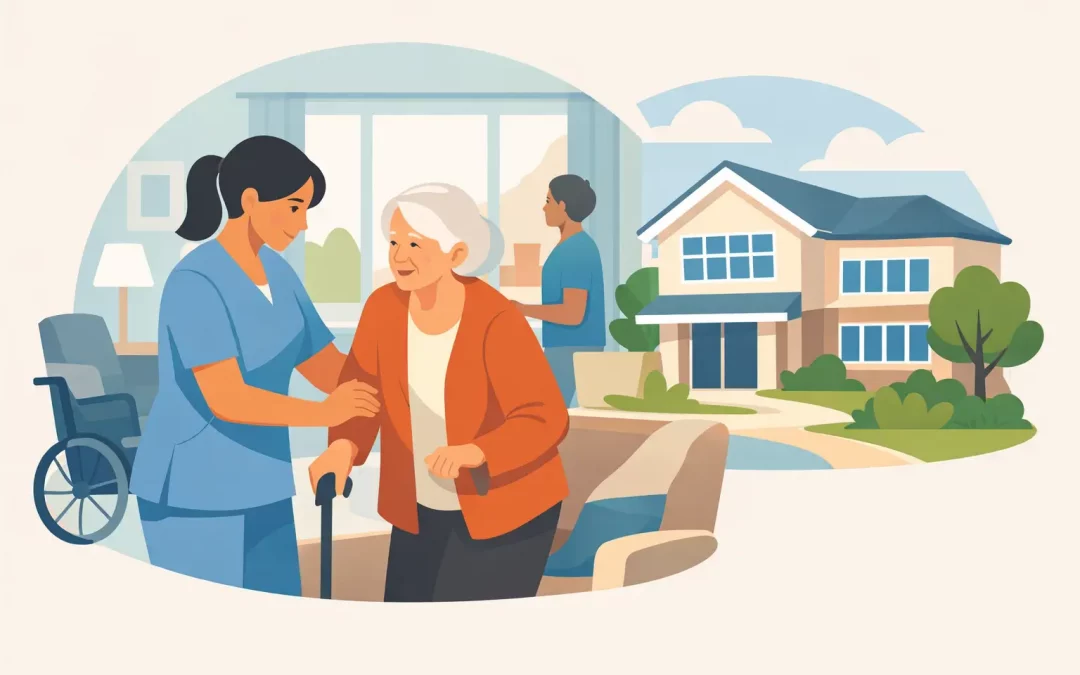
A lot of people consider care work after looking after a parent, supporting a relative through illness, or realising they want a job that feels useful at the end of the day. If you are wondering how to become a carer in a care home, the good news is that you do not always need years of previous experience to get started. What you do need is the right attitude, a willingness to learn, and an understanding of what the role really involves.
Working in a care home can be deeply rewarding, but it is also demanding. You are supporting people with personal care, daily routines, mobility, meals, medication prompts, emotional wellbeing, and sometimes end of life care. For the right person, it is meaningful work with clear opportunities to grow.
What a care home carer actually does
Before applying, it helps to look beyond the job title. A carer in a care home supports residents with day-to-day living while helping them maintain dignity, comfort and as much independence as possible. That might include helping someone wash and dress, assisting with eating and drinking, supporting safe movement, updating care records, and noticing changes in mood or health.
There is also a human side that matters just as much. Some residents want conversation and companionship. Others may be living with dementia, anxiety, limited mobility, or complex health conditions. Good care is not only about tasks. It is about patience, respect, observation and consistency.
This is why employers often recruit for values as much as qualifications. A calm manner, reliability and genuine compassion are not extras in this role. They are central to safe care.
How to become a carer in a care home without experience
Many people assume they need formal care experience before they can apply. In practice, that is not always the case. Plenty of care homes recruit entry-level carers and provide induction training, shadow shifts and ongoing supervision.
If you have experience in hospitality, retail, childcare, community work or supporting a family member, some of your skills may transfer well. Communication, teamwork, punctuality, record keeping and staying calm under pressure all matter in a care setting.
That said, employers still need reassurance that you understand the realities of the role. Personal care, shift work, emotional pressure and safeguarding responsibilities are all part of the job. In an interview, honesty helps. If you are new to care, say so clearly, then explain why you want to enter the sector and what qualities you would bring.
Entry requirements you should expect
There is no single route into care home work, but most employers look for a similar baseline. You usually need the right to work in the UK, a good standard of spoken and written English, and the ability to follow care plans and policies safely. Some roles ask for GCSEs or equivalent, but many focus more on suitability than academic background.
You should also expect pre-employment checks. These often include references, proof of identity, employment history and a Disclosure and Barring Service check. A DBS check is especially important because carers work with adults who may be vulnerable.
Some employers will ask about previous moving and handling training, safeguarding knowledge or first aid awareness. If you do not have these yet, that is not always a barrier. A well-run provider should offer structured training before you work independently.
Training and qualifications for new carers
You do not usually need a university degree to become a carer in a care home. Most new starters begin with induction training that covers core areas such as safeguarding, infection prevention and control, manual handling, health and safety, dignity in care, food hygiene and medication awareness.
Many employers also support staff through the Care Certificate. This is a widely recognised set of standards for people new to health and social care. It helps build confidence and gives employers a clear framework for safe practice.
Over time, you may choose to work towards a Level 2 or Level 3 Diploma in Adult Care. These qualifications can strengthen your knowledge and support career progression, but they are often completed while working rather than before starting.
The best training does more than tick boxes. It prepares carers to respond professionally in real situations, communicate clearly with colleagues, and understand the balance between compassion and boundaries.
The personal qualities that matter most
A care home can teach procedures, but personal values are harder to train. If you are considering this career, ask yourself how you respond when someone is distressed, confused, frustrated or physically dependent on support.
Strong carers tend to be observant, practical and respectful. They notice when a resident is quieter than usual, eating less, or struggling with pain. They understand the importance of routine, privacy and clear communication. They can work as part of a team, accept feedback and keep accurate records.
Resilience matters too. Some days are busy. Some residents deteriorate. Families may be worried, and staffing pressures can affect the pace of work. A caring nature is essential, but so is professional steadiness.
Applying for care home jobs
When you start applying, tailor your CV to show reliability, empathy and transferable skills. If you have helped support someone informally, you can mention that carefully and professionally. Focus on what you learned rather than turning it into a personal story with too much detail.
In your application, employers will want to see that you understand care as a regulated service, not simply a kind gesture. Mention areas such as dignity, safeguarding, confidentiality and teamwork if they are relevant to your experience.
If you are invited to interview, expect practical questions. You may be asked how you would respond if a resident refused care, what you would do if you noticed a bruise, or how you would handle confidential information. Recruiters are often testing judgement as much as knowledge.
A provider with strong standards will also explain its own expectations clearly. That includes supervision, training updates, safer recruitment checks and compliance requirements. This is a good sign. In care, proper structure protects both residents and staff.
What the first few months can feel like
Starting your first care role can feel rewarding and overwhelming at the same time. There is a lot to learn, from routines and documentation to communication styles and resident preferences. Good induction support makes a major difference.
You should not be rushed into working alone before you are ready. Shadowing experienced staff, asking questions and receiving regular feedback are all part of safe practice. If an employer appears casual about training or checks, think carefully before accepting the role.
It is also worth being realistic about the physical side of the job. Care work can involve long periods on your feet, early mornings, nights, weekends and emotionally difficult moments. That does not mean it is the wrong path. It simply means it helps to enter the role with clear expectations.
Career progression after you become a carer
One reason many people choose care is that there is room to develop. After gaining experience, you may move into senior carer roles, medication responsibilities, dementia support, team leadership or specialist areas such as end of life care.
Some carers go on to complete higher qualifications in adult care, become care coordinators or move into community-based support. Others build enough practical experience to step into healthcare assistant or support worker roles in wider settings. For employers such as Fame24HourCare, ongoing training and compliance are not just formalities. They are part of building a dependable workforce that can respond safely where care is needed most.
Progression, however, does depend on the setting. A large organisation may offer clearer internal pathways, while a smaller home may provide closer day-to-day support but fewer formal steps upward. Neither option is automatically better. It depends on the kind of environment in which you learn best.
Is care home work right for you?
If you are asking how to become a carer in a care home, you may also be asking whether you are suited to the role at all. The honest answer is that this work is not for everyone. It asks for patience, emotional maturity, reliability and respect for people at vulnerable points in their lives.
But for many people, it becomes more than a job. You see the difference that consistent, dignified care can make. You build trust. You become part of a resident’s daily sense of safety and routine. That responsibility is significant, and it deserves to be treated professionally.
If you are serious about starting, look for employers who value training, careful recruitment, supervision and quality standards. The right first role will not only help you get into care – it will help you become the kind of carer people can depend on.