
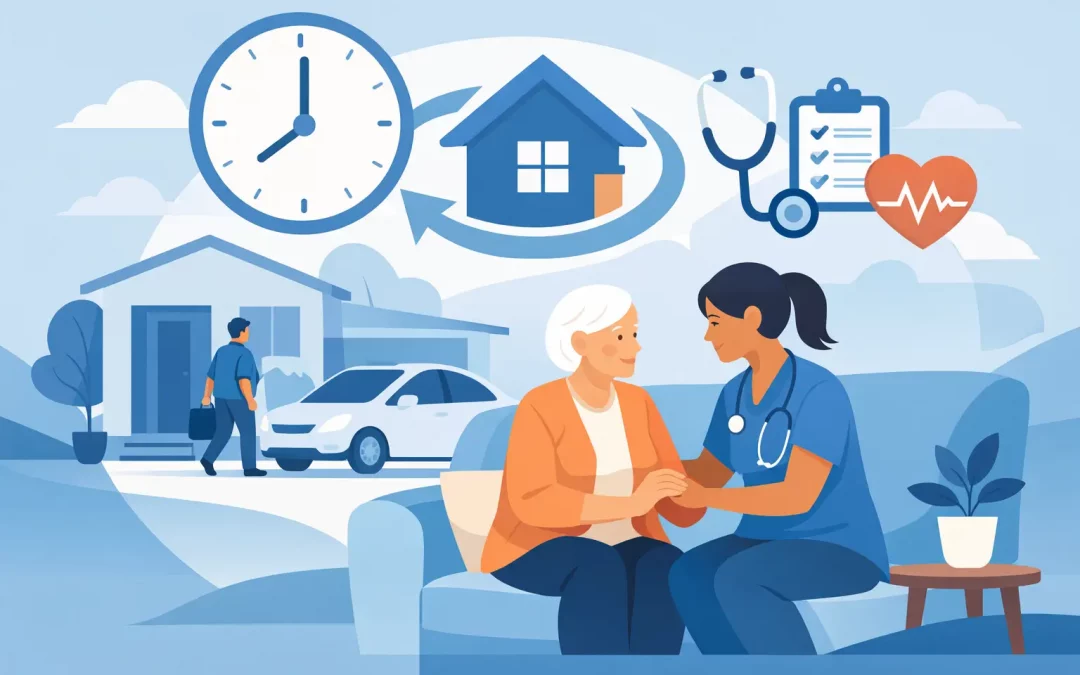
A fall, a sudden discharge from hospital, or a regular carer becoming unavailable can leave a family needing help within hours. Same day home care offers a practical route to professional support at home when the situation is pressing, while keeping safety, dignity and the person’s individual needs at the centre of every decision.
It is not simply a matter of sending the next available person to a doorstep. Good urgent care arrangements require a clear understanding of what has changed, what support is needed and whether the home setting remains safe. When care is properly assessed and organised, prompt help can reduce strain on families and help an adult continue living as independently as possible.
What same day home care can provide
Same day home care is support that can begin on the day it is requested, subject to an assessment of needs, suitable staff availability and safe care planning. It may be a short visit to help someone get washed and dressed, prepare food, take prescribed medication as directed, or settle safely after returning home. In other circumstances, it may involve several daily visits, overnight support or an urgent introduction to live-in care.
The right level of support depends on the person, not the clock. Someone recovering from a planned operation may need help with personal care and meals for a few days. Another person living with dementia may need reassurance, supervision and familiar routines after a change in their usual arrangements. An adult with a physical disability may need practical assistance to attend an appointment or manage essential tasks at home.
Care can also include domestic help, companionship and support to access social activities. These services can be particularly valuable when a person is physically safe but isolated, anxious or finding daily routines difficult after an unexpected change.
For families, the immediate benefit is often reassurance. Knowing that a trained, checked care professional can be there to assist allows relatives to focus on urgent decisions without having to provide every aspect of care themselves.
When urgent home support is appropriate
A request for quick care often follows an event that has disrupted an established routine. Hospital discharge is a common example. A person may be medically fit to leave hospital but still need assistance with washing, dressing, mobility, shopping, meals or maintaining a safe home environment. Early planning is preferable, but circumstances do not always allow it.
Other situations include a family carer becoming ill, a regular care package being interrupted, or a decline in mobility that makes previously manageable tasks unsafe. Same-day support can provide breathing room while longer-term arrangements are considered.
However, home care is not a replacement for emergency medical treatment. Chest pain, severe breathlessness, signs of stroke, serious bleeding, loss of consciousness or an immediate risk of harm require urgent clinical advice or emergency services. If there is uncertainty about a sudden medical change, contact NHS 111 or call 999 in an emergency. A care provider can support a safe return home, but must not be asked to manage a crisis beyond the scope of home care.
How a safe same-day arrangement is made
Speed matters, but safe care begins with the right questions. Before a visit is arranged, the provider should establish who needs support, what has happened, what help is required and whether there are any immediate risks. This initial conversation should also cover mobility, communication needs, medication, allergies, mental capacity where relevant, existing health conditions and who else is involved in the person’s care.
Assessment and care planning
Even when support needs to start quickly, there should be an assessment proportionate to the situation. It identifies what the person can do independently, where assistance is needed and how care should be delivered respectfully. For example, supporting someone with a hoist, helping with prescribed medicines or caring for someone with dementia all require specific information, suitable training and clear instructions.
A care plan should set out the agreed tasks, visit times, key contacts and any risks that staff need to understand. It also creates accountability. Families should know what support will be provided, what it cannot safely provide, and how to raise a concern if needs change.
Matching the right care professional
Availability alone is not enough. The care professional should have the appropriate skills for the role and, wherever possible, experience relevant to the person’s needs. A client requiring basic domestic support has different requirements from someone needing personal care, continence care or dementia support.
A responsible provider will use staff who have been properly recruited, identity-checked, screened and trained. Ongoing supervision and regular training updates matter just as much in urgent arrangements as they do in planned care. Fast response should never mean compromising on safer recruitment or care standards.
Clear communication from the start
Urgent arrangements can feel confusing, particularly after a hospital stay or family emergency. The provider should communicate plainly about when care can begin, the expected arrival time, the duration of support and any information required before the first visit.
It helps for families to prepare practical details: how to access the property, the person’s preferred name, any mobility equipment in use, discharge paperwork if available, and contact details for the GP or community team where appropriate. These small details help staff arrive prepared and avoid unnecessary stress for the person receiving care.
What families should ask before care starts
When time is limited, it is understandable to focus on whether someone can attend today. That question matters, but it should be followed by a few others. Ask what assessment will take place, whether the care professional is trained for the required tasks, how medication support is managed and who to contact outside normal office hours.
It is also sensible to ask how care visits are recorded and reviewed. Needs can change quickly after discharge or illness. A provider should have a way to receive feedback, report concerns and adjust the plan when a person becomes more independent or requires additional support.
For personal care, trust and respect are especially important. The person receiving care should be involved in decisions wherever possible. Their routines, preferences, faith, culture, communication style and choice about how support is delivered should not be treated as secondary to the urgency of the request.
Same-day care after hospital discharge
Hospital discharge can be a positive step, but it is not always straightforward. A person may be eager to return to familiar surroundings while relatives worry about falls, meals, personal care or coping alone overnight. The discharge plan may include recommendations from clinicians, but the practical support still needs to be put in place.
A home care provider can work alongside the family and relevant health professionals to understand the immediate requirements. This may mean meeting a person at home after discharge, helping them settle in, ensuring they have food and essentials, and supporting the first few days of recovery. If the person’s condition changes, care staff should report concerns through the agreed channels rather than attempting to provide clinical treatment outside their role.
Not every discharge requires long-term care. A short period of well-planned support can help someone regain confidence and establish a routine. In other cases, the first urgent arrangement becomes the foundation for an ongoing domiciliary or live-in care plan. The appropriate option depends on the person’s health, home environment, available family support and personal wishes.
Support for organisations facing staffing gaps
The same need for speed applies to care homes, hospices, hospitals, GP practices and specialist services. A last-minute absence can affect continuity, workloads and the ability to deliver safe care. Temporary staffing should therefore be more than a quick fill for a rota gap.
Healthcare organisations need personnel whose checks, skills and experience are appropriate to the setting. They also need straightforward communication about availability, role expectations and any specific requirements before a shift begins. Nurses, healthcare assistants, support workers, administrators, chefs and kitchen assistants all contribute to safe, well-run services, but each role needs the correct match.
Fame24HourCare recognises that rapid deployment must sit alongside rigorous recruitment, training and quality oversight. For organisations, this approach supports service continuity without losing sight of compliance, safeguarding and the wellbeing of people using the service.
A prompt response with the right safeguards
The value of urgent care is not merely that it starts quickly. It is that the right support can begin promptly, with a clear plan and a professional who understands their responsibilities. Families should never feel they must choose between speed and standards.
If care is needed today, share the situation honestly, ask direct questions and make safety the first priority. The best immediate arrangement is one that brings calm to a difficult moment while giving the person at home respectful, dependable support for the next step.