
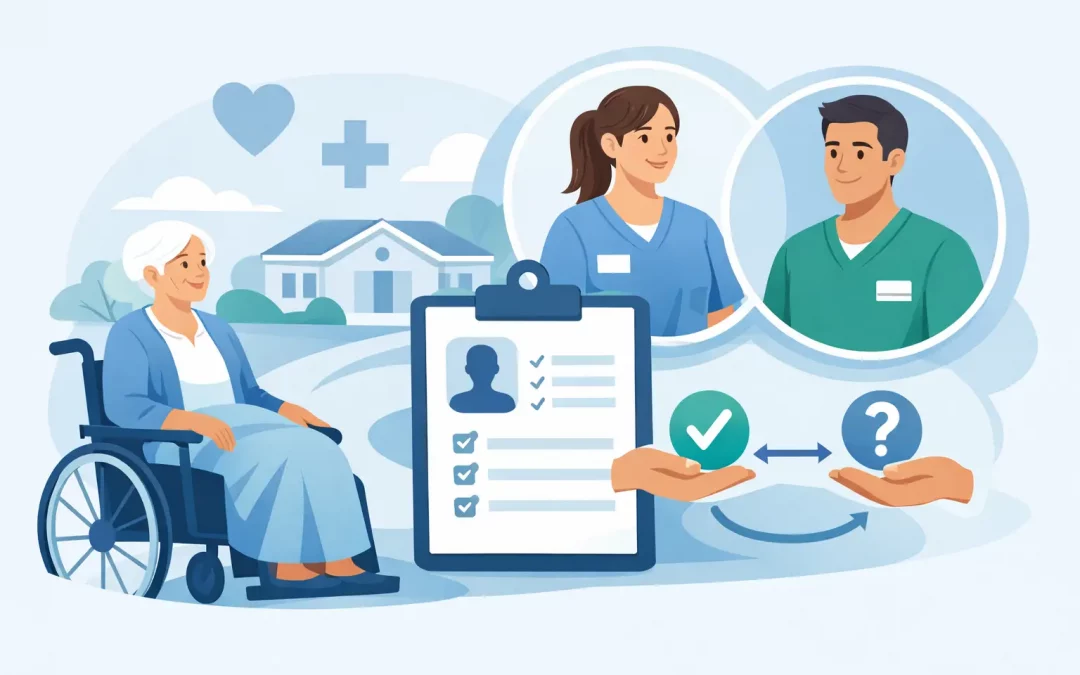
The difference between a settled morning and a difficult one in a nursing home is often felt before breakfast. A resident may need reassurance before getting up, another may need unhurried personal care, and a nurse may need timely support to complete clinical priorities safely. Healthcare assistants for nursing homes help make those moments safer, calmer and more dignified – provided they are properly screened, trained and introduced to the home’s way of working.
For care home managers, staffing is not simply about filling a rota gap. It is about protecting continuity for residents, supporting permanent colleagues and maintaining the standards families expect. The right healthcare assistant brings practical ability, respectful communication and the judgement to raise concerns promptly. The wrong match can place pressure on the whole shift.
What healthcare assistants for nursing homes do
Healthcare assistants provide essential day-to-day support under the direction of the nursing and care team. Their work may include assisting residents with washing, dressing, mobility, meals, hydration, toileting, activities and companionship. They also observe changes in comfort, mood, appetite, mobility or behaviour and report these clearly to the appropriate senior colleague.
In a nursing home, this role sits within a wider clinical and care structure. Healthcare assistants can make a meaningful contribution to infection prevention, record keeping, repositioning, pressure-area care and maintaining a clean, welcoming environment. Their exact responsibilities should always reflect the resident’s care plan, the home’s policies, their training and assessed competence.
They are not a substitute for registered nurses. Where delegated tasks are appropriate, the home must ensure delegation is lawful, clearly documented and supported by the right training, supervision and competency assessment. This distinction protects residents, staff and the provider alike.
Why the right appointment affects resident care
Residents notice how care is delivered, not only whether a task is completed. An assistant who introduces themselves, explains what they are doing and gives a person time to respond can preserve dignity in ways that matter every day. This is particularly important for people living with dementia, sensory loss, anxiety, reduced mobility or complex health needs.
Good healthcare assistants also help protect the emotional rhythm of the home. They learn preferred routines, recognise when someone is quieter than usual and understand that a familiar cup of tea, a favourite radio station or a gentle conversation may reduce distress. These details are not extras. They are part of person-centred care.
For permanent teams, dependable temporary staff reduce the strain caused by short-notice absence and vacancies. However, speed should not mean accepting unfamiliar or unsuitable workers without preparation. A rapid response is valuable only when it is matched with safe recruitment and a clear handover.
What good staffing looks like in practice
A dependable staffing arrangement begins before an assistant arrives at the home. Care providers should be able to demonstrate thorough recruitment processes, including identity verification, right-to-work checks, suitable references, enhanced DBS checks where required, employment history review and confirmation of relevant training. These checks should be current, recorded and subject to regular review.
Training should reflect the people being supported
Mandatory training creates a baseline, but nursing homes often need more than a baseline. Depending on the service, assistants may need current knowledge of dementia care, moving and handling, safeguarding adults, infection prevention and control, food hygiene, fire safety, equality and diversity, and mental capacity and consent.
Some homes will also require experience with end-of-life care, challenging behaviour, learning disabilities or mental health support. It depends on the residents, the shift pattern and the tasks expected. A provider should be honest about an individual worker’s experience rather than treating every healthcare assistant as interchangeable.
Ongoing development matters as much as induction. Annual updates, supervision and opportunities to refresh practical skills help staff remain safe and confident. Training records alone are not enough; managers should also see evidence that a worker can apply learning respectfully in a real care setting.
A proper briefing prevents avoidable mistakes
Even an experienced assistant needs a concise, structured induction to a new home. They should know who leads the shift, how to access care plans and where to report concerns. They also need clear information about emergency procedures, infection-control arrangements, medication boundaries, documentation standards and any residents whose needs require particular attention.
This briefing should include the home’s culture. For example, staff should understand how residents prefer to be addressed, how choices are encouraged and how privacy is maintained. When a temporary worker is welcomed and prepared properly, they are more likely to support the team effectively rather than work around it.
Communication is a safety measure
Strong communication is one of the clearest signs of a capable healthcare assistant. They should give factual handovers, record care promptly and report changes without delay. They should also know when not to proceed alone – for example, if a resident appears unwell, refuses care, has had a fall or shows a new change in behaviour.
Managers benefit from a staffing partner that remains contactable, listens to feedback and acts quickly if a placement is not right. Concerns should be addressed professionally, with a focus on resident welfare and service improvement rather than blame.
Matching staff to the needs of each shift
A successful placement is rarely based on availability alone. Day shifts may need assistants who can support busy personal-care routines, mealtimes and activities. Night shifts require calm, observant staff who can maintain comfort, respond appropriately and communicate important changes to the incoming team.
Consider the skills mix already on duty. A home with several residents requiring full assistance with mobility may need an assistant with strong moving-and-handling experience. A dementia unit may benefit from someone who is patient, confident with reassurance and able to recognise non-verbal signs of distress. If a resident group includes people approaching the end of life, compassion must be combined with sensitivity, reliability and an understanding of the care plan.
Continuity also deserves attention. Using the same temporary assistants where possible allows them to become familiar with routines, documentation and residents’ preferences. It reduces repeated induction time and can be reassuring for people who find unfamiliar faces unsettling. There will be occasions when urgent cover is unavoidable, but a consistent staffing approach is usually safer and more comfortable for everyone.
Choosing a temporary staffing provider
When comparing providers, ask practical questions about how staff are recruited, checked, trained and monitored. Establish whether the provider can confirm competencies relevant to your service, respond to short-notice requests and provide clear records when needed. It is also reasonable to ask how feedback is managed, how absences are handled and whether the provider has local management support.
The lowest hourly rate may not represent the best value if it leads to frequent changes of worker, incomplete checks or additional management time for your team. Equally, the most experienced worker may not be the best fit if they do not communicate well with residents and colleagues. Safe staffing is a balance of capability, attitude, availability and oversight.
Fame24HourCare approaches temporary care staffing with this balance in mind, supplying trained personnel while maintaining a focus on screening, ongoing training, communication and responsive support. For nursing homes, the aim should always be more than cover for a vacancy. It should be dependable support that helps the service continue to provide respectful care.
Creating the conditions for staff to succeed
Healthcare assistants do their best work when expectations are clear and they feel part of the team from the start of the shift. A named contact, a concise handover and access to the information required for safe care make a real difference. So does respectful treatment from colleagues. Temporary staff are accountable professionals, but they still need guidance within an unfamiliar environment.
Managers should review placements regularly. Feedback from nurses, senior carers, residents and relatives can highlight what is working well and where further support is needed. Positive feedback is worth sharing, while concerns should lead to timely action, additional training or a different staffing match.
A nursing home cannot remove every staffing pressure, but it can choose partners and processes that reduce risk. When healthcare assistants arrive prepared, communicate well and treat every resident as an individual, they do more than fill a shift. They help preserve the safety, dignity and reassurance that residents call home.